When I first got into astrophotography, the entry barrier was brutal — thousands of dollars in specialized gear, tedious polar alignment, endless cable management, and a steep learning curve. Smart telescopes completely flipped the script. By combining optics, motorized alt-azimuth mounts, built-in cameras, and automated image processing into a single unit controlled right from a smartphone or tablet, these scopes bring deep-space imaging within reach for everyone.
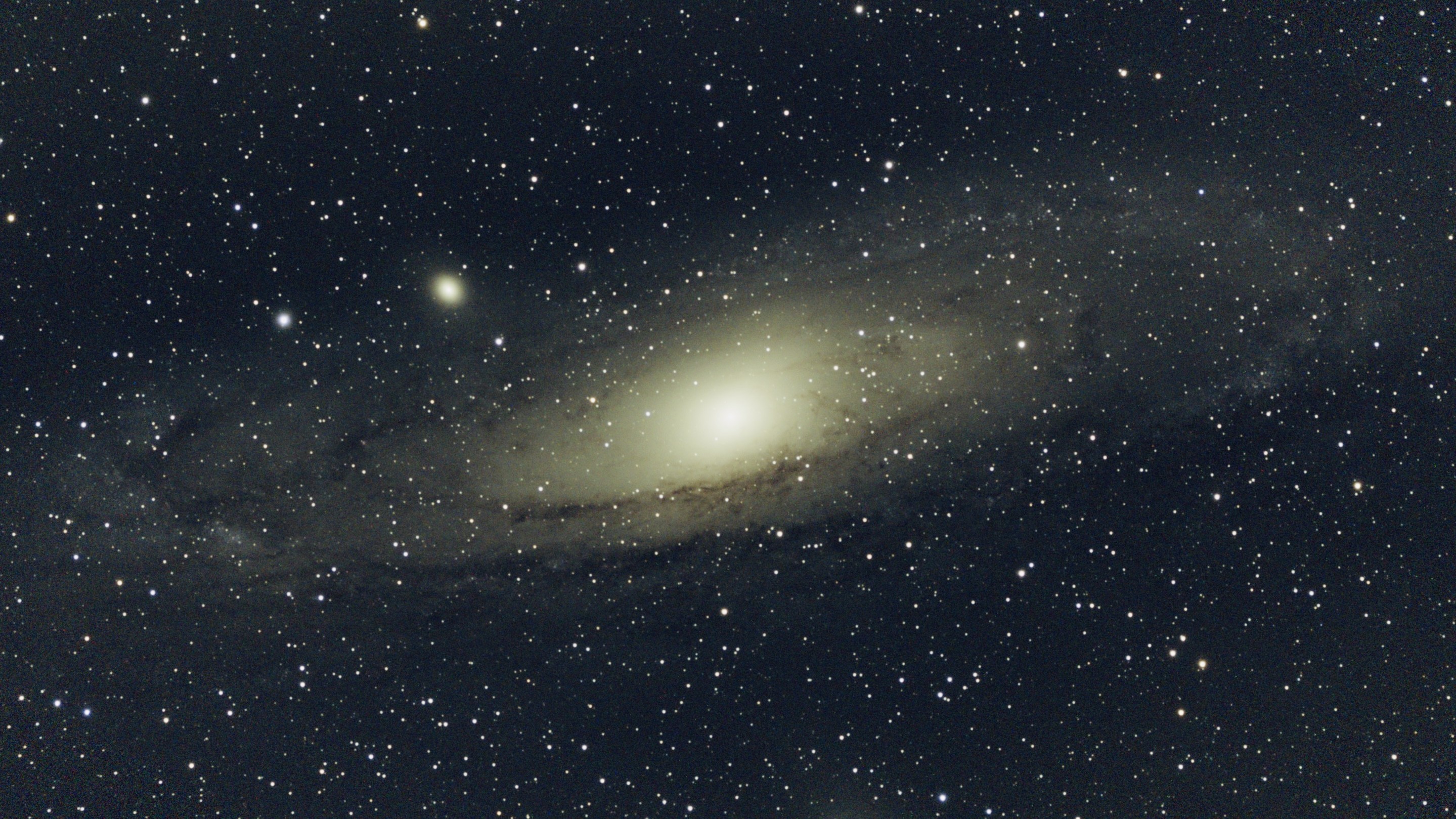
Operating my own smart setups from light-polluted suburban Atlanta (Bortle 6–8+) as well as remotely hosted under pristine Bortle 1 dark skies at Starfront Observatory in Texas, I've learned that picking the right smart telescope comes down to balancing four core factors: aperture, portability, sensor performance, and budget.
Whether you're looking for your first backyard workhorse or a serious dark-sky setup, here's my complete breakdown of the best smart telescopes on the market today.
1. Top Smart Telescopes at a Glance
| Smart Telescope | Primary Sensor | Aperture / Focal Ratio | Key Strengths | Best For |
|---|---|---|---|---|
| ZWO Seestar S30 Pro | Sony IMX585 (4K / 8.3 MP) | 30mm f/5.3 Quadruplet APO | Dual cameras (telephoto + 63° wide-angle), built-in dual-band filter, mosaic mode | Ultimate portable versatility & dark-sky mosaic shooting |
| ZWO Seestar S50 | Sony IMX462 (1080p) | 50mm f/5 Triplet APO | Incredible value, lightweight, proven urban performance | Best budget entry point for backyard observers |
| DwarfLab DWARF 3 | Sony IMX678 (4K / 8.3 MP) | 35mm f/4.3 Telephoto | Ultra-compact, dual camera, 60s exposures, built-in dual-band filter | Travel, wildlife, and grab-and-go astrophotography |
| Vaonis Vespera II / Vespera Pro | Sony IMX585 / IMX676 | 50mm f/5 Quadruplet | Premium build, CovalENS mosaic stitching, crisp optics | Crisp image stacks & sleek, automated user interface |
| Celestron Origin Mark II | Sony IMX678 (4K / 8.3 MP) | 152mm (6") f/2.2 RASA | Massive light gathering, ultra-fast f/2.2 optics, internal dew heater | Deepest images in shortest exposures; ultimate observatory scope |
2. Category Deep Dives
Best Overall Portable Smart Telescope: ZWO Seestar S30 Pro
The Seestar S30 Pro takes classic smart scope convenience and upgrades it with dual-camera capabilities and quadruplet optical construction.
Optical Train: 30mm quadruplet APO refractor (f/5.3) paired with an 8.3 MP Sony IMX585 sensor.
Secondary Wide-Angle Optics: A 63° field-of-view secondary camera powered by a 4K IMX586 sensor, perfect for wide nightscapes and Milky Way shots.
Standout Features: Built-in dual-band emission nebula filters, NFC quick-connect, automated mosaic stitching up to 8K, and equatorial (EQ) mode support.
My Take: Having an S30 Pro deployed at Starfront Observatory, I can confirm that the dual-camera setup is a game-changer. You can monitor cloud cover or horizon obstructions in real time while tracking deep-sky objects on the main sensor. Under dark skies, its 4K sensor pulls out remarkable detail in faint dust lanes and large nebulae.
Best Budget & Entry-Level Value: ZWO Seestar S50
The Seestar S50 is my trusty suburban backyard workhorse in Atlanta and remains one of the most popular entry points into automated imaging.
Optical Train: 50mm triplet APO lens (f/5) with a built-in light pollution filter.
Performance: Exceptional live-stacking performance that cuts right through urban light pollution (Bortle 6–8+).
Standout Features: Lightweight form factor, fast automated plate-solving, integrated anti-dew heater, and an intuitive app experience.
My Take: I use this right out of my backyard. If you want crisp views of targets like Orion, the Veil, or the Ring Nebula without needing complex processing skills or technical setup steps, this is hands-down the best entry-level value.
Best Ultra-Compact Travel Scope: DwarfLab DWARF 3
If portability is your highest priority for trips and dark-sky travel, the DWARF 3 packs serious power into a package no larger than a hardcover dictionary.
Optical Train: 35mm f/4.3 telephoto lens powered by a 4K Sony IMX678 sensor, paired with a secondary wide-angle camera lens.
Standout Features: Built-in filter switcher (VIS, Astro, and Dual-Band OIII/H-alpha), up to 60-second exposure capability in EQ mode, and a 10,000 mAh battery.
My Take: Weighing under 3 pounds, it transitions seamlessly between daytime telephoto photography, panoramic imaging, and deep-sky dark site observation.
Best Light-Gathering Powerhouse: Celestron Origin Mark II
For observers seeking maximum depth and rapid imaging without compromise, the Celestron Origin Mark II stands in a class by itself.
Optical Train: 6-inch (152mm) Rowe-Ackermann Schmidt Astrograph (RASA) optics at an ultra-fast f/2.2 ratio.
Sensor: Upgraded 8.3 MP Sony IMX678 sensor precision-matched to the RASA optical train.
Standout Features: Built-in filter drawer (1.25" and 2"), automated dew heater ring, AI-assisted image stacking, and high-capacity internal battery.
My Take: RASA optics gather light at incredible speeds compared to refractors. In just 5 to 10 minutes, the Origin captures detailed images of faint galaxies and dark nebulae that would take hours to resolve on smaller setups.
3. Key Factors to Consider Before Buying
Light Pollution & Built-in Filters
If you observe primarily from bright suburban or urban locations (Bortle 6 to 8+) like I do in Atlanta, look for smart telescopes with built-in dual-band (H-alpha & OIII) filters. These filters block light pollution while passing key optical emissions from bright nebulae.
Field of View & Sensor Resolution
Small/Medium Sensors (1080p): Ideal for bright targets, bright galaxy cores, and planet/lunar captures.
4K Sensors & Mosaics: Crucial if you want to frame larger targets like the Andromeda Galaxy, California Nebula, or wide Milky Way vistas.
Setup, Portability & Power
Grab-and-Go (Under 5 lbs): Scopes like the Seestar S30 Pro, Seestar S50, and DWARF 3 easily fit into a backpack or carry-on bag for travel.
Stationary / Observatory Use (30+ lbs): Rigs like the Celestron Origin are heavier, making them best suited for semi-permanent backyard setups or dark-sky remote hosting.
Software & Post-Processing
All major smart telescopes capture and auto-stack images in real time inside their mobile apps. However, if you want to take your data further, check whether the system allows exporting raw FITS files. Exporting raw data lets you run post-processing in programs like PixInsight, Siril, or GraXpert to unlock maximum detail.
Final Recommendation
ZWO Seestar S50
Proven ease of use, great software, and high value.
Seestar S30 Pro / DWARF 3
Dual-camera flexibility and 4K sensors for maximum features on the go.
Celestron Origin Mark II
Step up here for serious light-gathering power.
"Pick the scope that matches your sky, not just your budget."